
The connection between your gut and brain is so profound that scientists now refer to the gut as your “second brain.” As a holistic health coach specializing in functional medicine, I’ve seen firsthand how healing the gut can dramatically improve mental health symptoms, from anxiety and depression to brain fog and mood swings.
Your digestive system contains over 500 million neurons – more than your spinal cord. This extensive neural network, called the enteric nervous system, communicates constantly with your brain through the vagus nerve, hormones, and immune system pathways. When your gut is inflamed or imbalanced, these communication channels send distress signals that manifest as mental and emotional symptoms.
The gut microbiome plays a crucial role in this connection. These trillions of beneficial bacteria produce neurotransmitters like serotonin, dopamine, and GABA – the same chemicals that regulate mood, sleep, and anxiety. In fact, about 90% of your body’s serotonin is produced in your gut, not your brain. When the microbiome becomes imbalanced through poor diet, stress, antibiotics, or other factors, neurotransmitter production suffers.
I often see clients who’ve struggled with anxiety for years, trying multiple medications without lasting relief. When we run comprehensive stool testing, we frequently discover gut infections, inflammatory bacteria overgrowth, or severely depleted beneficial microbes. Addressing these underlying gut issues often provides the mental health breakthrough they’ve been seeking.
Intestinal permeability, commonly called “leaky gut,” is another critical factor in the gut-brain connection. When the intestinal lining becomes damaged, toxins, undigested food particles, and bacteria can enter the bloodstream, triggering widespread inflammation. This inflammatory cascade reaches the brain, contributing to depression, anxiety, and cognitive dysfunction.
Food sensitivities also play a significant role in mental health through gut-brain pathways. When you consume foods your body can’t properly process, it creates an immune response that generates inflammation. This inflammation affects neurotransmitter production and brain function. Many clients experience dramatic mood improvements simply by identifying and eliminating their trigger foods.
The gut-brain connection also explains why stress so powerfully impacts digestive health. Chronic stress alters gut bacteria composition, increases intestinal permeability, and reduces digestive enzyme production. This creates a vicious cycle where stress damages the gut, which then sends inflammatory signals back to the brain, perpetuating anxiety and mood disorders.
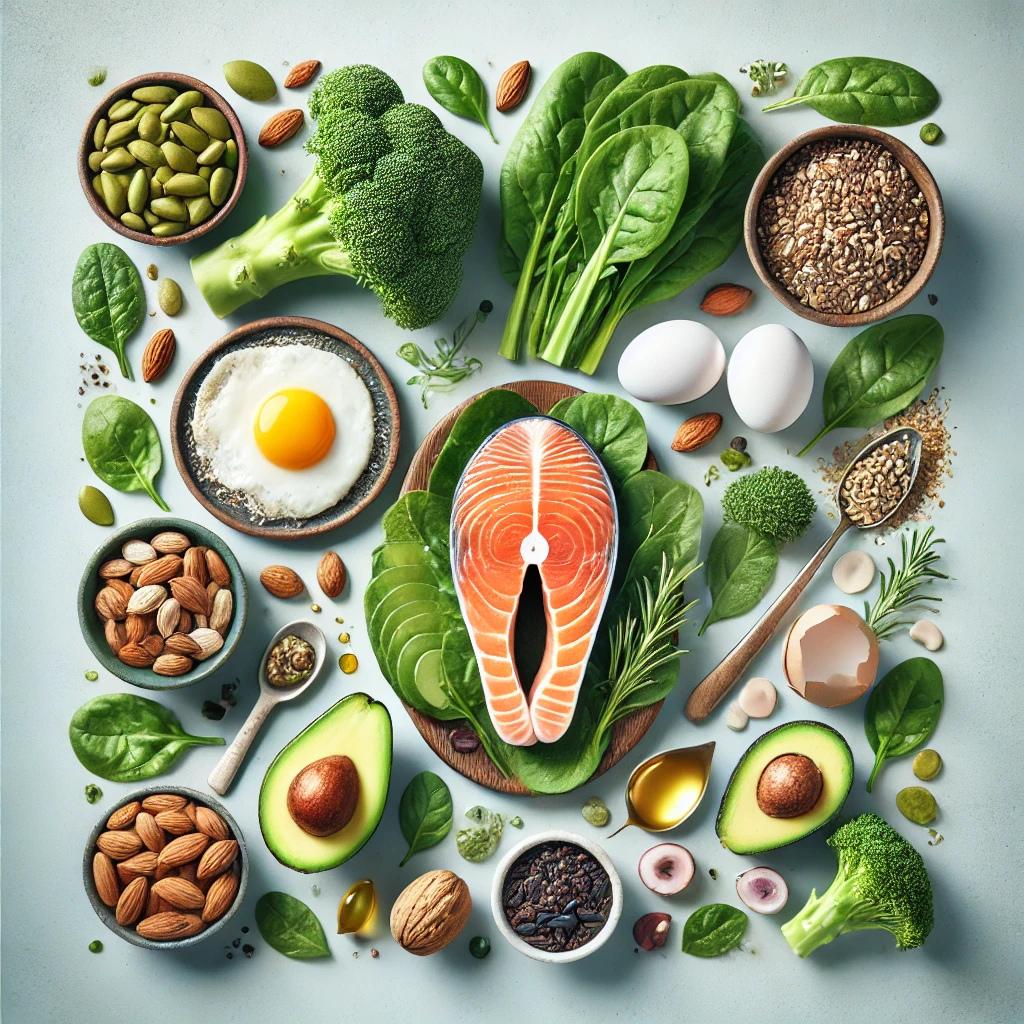
Healing the gut-brain axis requires a comprehensive approach. We start by removing inflammatory triggers like processed foods, sugar, and identified food sensitivities. Then we rebuild the gut with healing foods, targeted nutrients, and beneficial probiotics. Supporting stress management through mindfulness, adequate sleep, and nervous system regulation is equally important.
Specific nutrients play crucial roles in gut-brain healing. L-glutamine helps repair the intestinal lining, while omega-3 fatty acids reduce inflammation throughout the body and brain. B vitamins support neurotransmitter production, and zinc aids in gut barrier function. Magnesium calms both the digestive system and nervous system.
The timeline for gut-brain healing varies, but most clients begin noticing mental health improvements within 4-8 weeks of implementing gut-healing protocols. Some experience changes even sooner, particularly with mood and energy levels.
Understanding the gut-brain connection empowers you to take control of your mental health through nutrition and lifestyle choices. Your daily food choices are literally feeding your brain and influencing your mood. By prioritizing gut health, you’re investing in both your digestive wellness and mental resilience.
If you’re struggling with anxiety, depression, or other mental health challenges, consider exploring the gut connection. Your path to emotional wellness might just begin in your digestive system.